


Table of Contents
- Why Construction Insurance Matters for Residential Projects
- ROC License Insurance Requirements in Arizona
- General Liability Insurance vs. Builder’s Risk Coverage
- Homeowners Insurance During Renovation: What’s Covered
- Builder’s Risk Insurance Cost and Coverage Scope
- How to Verify Contractor Insurance and Bonding
- Conclusion
Last Updated: August 25, 2026
Why Construction Insurance Matters for Residential Projects
Construction insurance isn’t optional, it’s the foundation that protects your home, your finances, and your legal standing when renovation work begins. Without proper coverage, a single accident on your job site can expose you to catastrophic liability, property damage claims, and legal disputes that could cost far more than the renovation itself.
Here’s what homeowners often miss: your standard homeowners insurance typically does NOT cover active construction work. The moment a contractor breaks ground, your existing policy may exclude claims related to the renovation. That gap between "no longer covered by homeowners insurance" and "contractor’s insurance takes over" is where expensive surprises happen.
Residential construction insurance requirements in Arizona are shaped by state law, local building codes, and the specific scope of your project. Whether you’re doing a bathroom refresh or a whole-house renovation, understanding what coverage you need, and verifying that your contractor actually carries it, is non-negotiable.
At Crosspoint Contracting, we’re ROC-licensed for both residential and commercial work, fully insured, and bonded. We specialize in Kitchen & Bath Remodels, Whole Home Remodeling, Additions, and Tenant Improvements. But even if you hire another contractor, you need to know what to look for and how to verify coverage before work starts. This guide walks you through the insurance landscape in Arizona so you can protect yourself and your property.
ROC License Insurance Requirements in Arizona
Arizona’s Registrar of Contractors (ROC) mandates that all residential contractors maintain active licensing, bonding, and insurance as a condition of legal operation. This isn’t bureaucratic theater, it’s your primary legal protection as a homeowner.
A license bond is the first layer of ROC-mandated coverage. Every contractor licensed by the ROC must carry a surety bond that guarantees they’ll comply with Arizona Revised Statutes and ROC regulations. If a contractor violates licensing laws or fails to complete work as promised, the bond provides a financial backstop for homeowners to file claims against.
However, a license bond alone is not sufficient protection. It covers regulatory violations and licensing breaches, not property damage or bodily injury that occurs during construction. That’s where general liability insurance enters the picture.
Arizona law does not specify a minimum dollar amount for general liability coverage, but the ROC expects contractors to carry insurance appropriate to the scope of work (azroc.gov). For residential projects, industry standard practice and most homeowners’ lenders often require a minimum of $300,000 per occurrence in general liability coverage, with $600,000 to $1,000,000 in aggregate limits for larger renovations (iii.org).
Before hiring any contractor, ask to see their current ROC license (verify the license number and status on the ROC website), their certificate of insurance showing active general liability coverage, and proof of their surety bond. A legitimate contractor will provide these documents without hesitation. If they deflect, refuse to show proof, or claim their insurance is "in the mail," that’s a red flag to walk away.
Request a certificate of insurance that lists you (the homeowner) as an “additional insured” on the contractor’s general liability policy. This provides direct coverage for you if something goes wrong, rather than relying on a third-party claim process.
General Liability Insurance vs. Builder’s Risk Coverage
These two insurance types serve different purposes and protect different parties. Understanding the distinction is critical because neither one replaces the other, most residential construction projects need both.
General liability insurance protects the contractor (and you, if you’re listed as an additional insured) against claims of bodily injury or property damage caused by the contractor’s work. If a worker is injured on your property, or if the contractor’s crew damages your neighbor’s fence during the renovation, general liability covers those claims. The contractor carries this policy; it’s their responsibility.
Builder’s risk insurance (also called "course of construction" insurance) covers damage to the structure itself during the renovation process. If a fire, theft, weather event, or construction accident damages the home while work is underway, builder’s risk pays for repairs. This policy typically covers the dwelling, materials on-site, and temporary structures.
Here’s the critical distinction: general liability does not cover the house. If a contractor’s equipment causes a fire that damages your kitchen during renovation, general liability won’t pay for the kitchen repairs, builder’s risk will.
For residential projects, the homeowner or contractor usually purchases builder’s risk insurance. If the contractor is managing the project, they often carry it as part of their project costs. If you’re acting as the owner-builder (managing the project yourself and hiring subcontractors), you’ll need to purchase builder’s risk in your name.
The coverage limits matter. Builder’s risk policies are typically written for the full replacement cost of the renovation scope. A renovation should have appropriate builder’s risk coverage. Underinsuring creates a gap where you’ll be out-of-pocket if something happens.
General liability covers injury and damage caused by the contractor. Builder’s risk covers damage to your home during construction. Both are essential; one does not substitute for the other.
Homeowners Insurance During Renovation: What’s Covered
Your existing homeowners insurance policy is likely to exclude or significantly limit coverage once active construction begins. This is a critical gap that catches many homeowners off guard.
Standard homeowners policies are designed for occupied, finished homes. The moment you have contractors on-site doing structural work, electrical upgrades, or plumbing modifications, your insurer may deny claims related to the renovation. Some policies will exclude the renovation area entirely. Others will continue coverage for non-construction-related events (like a fire unrelated to the work), but exclude anything construction-related.
Before renovation starts, contact your homeowners insurance agent and ask explicitly: "What coverage does my policy provide during active construction?" Get the answer in writing. Some insurers will allow you to maintain coverage with a rider or endorsement that acknowledges the renovation. Others will require you to suspend the policy’s coverage for the renovation period.
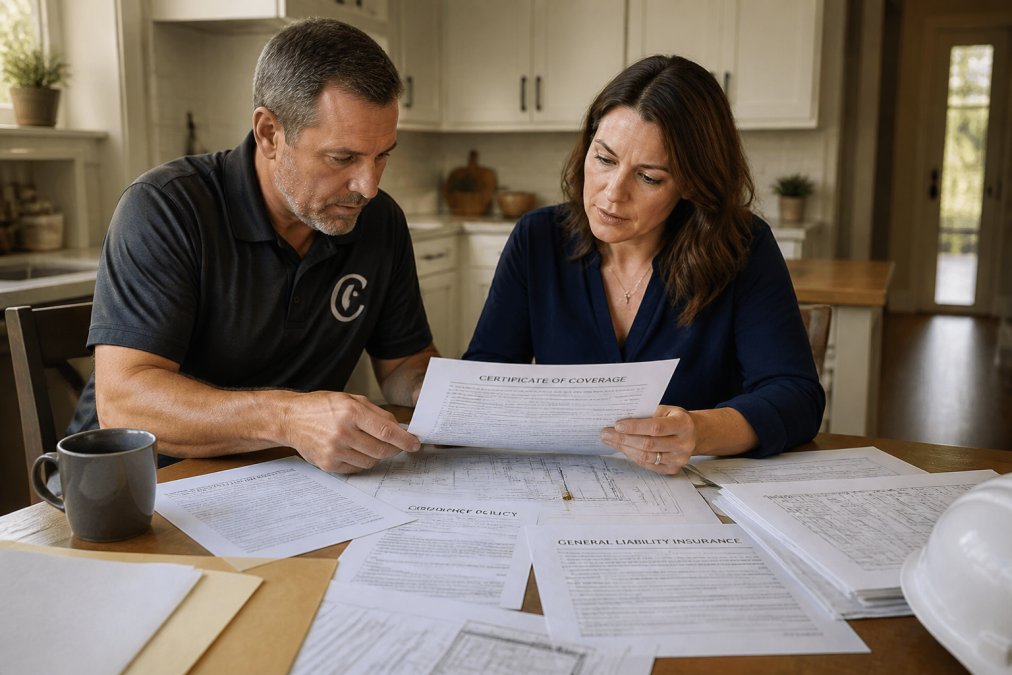
If your homeowners policy excludes construction-related claims, builder’s risk insurance fills that gap. But there’s a timing issue: your homeowners policy may not cover the period between when the contractor starts work and when builder’s risk officially takes effect. Coordinate with your contractor and insurance agent to ensure there’s no uninsured period.
Additionally, homeowners insurance typically does not cover theft of materials or equipment during construction. If the contractor leaves tools, fixtures, or materials on-site overnight and they’re stolen, homeowners insurance won’t pay. Builder’s risk includes coverage for materials and equipment on-site, which is another reason this policy is essential.
For owner-builders (homeowners managing the project directly), the situation is more complex. Your homeowners insurance may exclude coverage entirely if you’re acting in a contractor capacity. You’ll almost certainly need to purchase builder’s risk in your own name, and you may need additional liability coverage to protect yourself.
Builder’s Risk Insurance Cost and Coverage Scope
Builder’s risk insurance is project-specific and temporary. You purchase it for the duration of the construction work, then it expires when the project is complete. The cost depends on the project scope, location, materials, and duration.
Coverage scope typically includes:
- The dwelling structure and any permanent fixtures being installed
- Materials and equipment on-site (lumber, fixtures, tools, etc.)
- Temporary structures (scaffolding, protective coverings, site offices)
- Labor and installation costs (the value of work in progress)
- Debris removal and site cleanup
What builder’s risk does NOT typically cover:
- Damage caused by poor workmanship or design flaws (these are the contractor’s responsibility)
- Theft by employees or contractors (though theft by outsiders is covered)
- Damage to property outside the renovation area (that’s general liability’s job)
- Maintenance issues or pre-existing damage (only damage that occurs during the construction period)
The policy is written for a specific replacement cost amount. If you’re doing a kitchen remodel, the builder’s risk limit should be appropriate to account for contingencies. An underinsured policy leaves you exposed: if damage exceeds the policy limit, you pay the difference out of pocket.
Deductibles on builder’s risk policies are typically $1,000 to $2,500, though you can choose higher deductibles to lower the premium (iii.org). A higher deductible makes sense if you have cash reserves to cover minor damage; a lower deductible is safer if you’re financing the project and can’t absorb unexpected costs.
The policy term is usually written in 90-day increments, with the option to extend if the project runs long. Make sure the policy term matches your expected construction timeline. If work extends beyond the policy end date, you’ll need to renew coverage or face a gap in protection.
Do not let a builder’s risk policy expire while work is still in progress. If a fire or theft occurs on an uninsured day, you’ll be entirely out-of-pocket. Coordinate renewal dates with your contractor’s project schedule.
How to Verify Contractor Insurance and Bonding
Before signing a contract, you must verify that your contractor carries active, valid insurance and bonding. This isn’t a formality, it’s your legal protection.
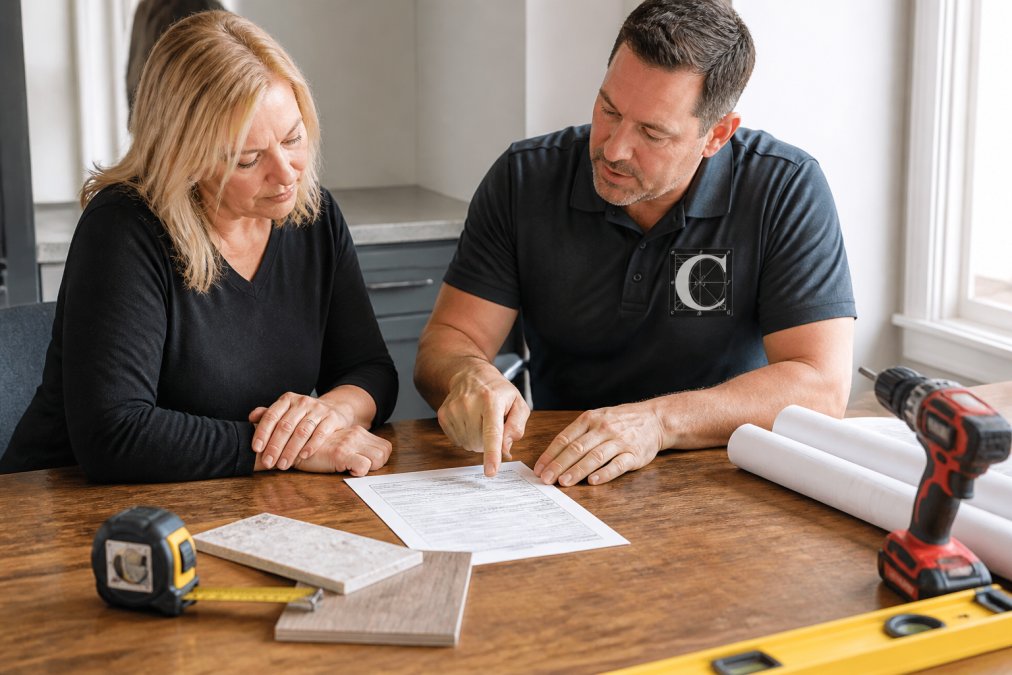
Step 1: Request a Certificate of Insurance
Ask the contractor for a certificate of insurance (COI) from their insurance agent. The certificate should show:
- The contractor’s name and license number
- The insurance company and policy numbers
- Coverage types: general liability, workers’ compensation, and builder’s risk (if applicable)
- Policy limits and deductibles
- Your name listed as an "additional insured" (if possible)
- The certificate issue date and expiration date
A legitimate contractor will provide this within 24 hours. If they hesitate, make excuses, or provide a document that looks unofficial, that’s a warning sign.
Step 2: Verify the Certificate is Current
Check the expiration date on the certificate. Insurance policies expire and must be renewed. A certificate dated six months ago might now be expired. Ask the contractor when their policy renews and request an updated certificate if the current one expires during your project timeline.
Step 3: Contact the Insurance Company Directly
Don’t rely solely on the certificate the contractor provides. Call the insurance company’s phone number on the certificate and confirm that the policy is active and the coverage amounts are accurate. Insurance fraud happens, contractors sometimes forge certificates or provide expired documents. A quick call to the insurer takes five minutes and eliminates this risk.
Step 4: Verify the ROC License
Go to the Arizona Registrar of Contractors website and search the contractor’s license number. Confirm:
- The license is active (not expired or suspended)
- The license type matches the work (residential, commercial, or both)
- There are no disciplinary actions or complaints listed
Step 5: Request Proof of Bonding
Ask the contractor for proof of their surety bond (the license bond required by the ROC). The bond document should show the bond amount, the surety company, and the effective dates. Like insurance, bonds can expire, so verify the dates align with your project timeline.
Step 6: Verify Subcontractor Insurance
If the contractor plans to hire subcontractors (electricians, plumbers, HVAC specialists), request certificates of insurance for each subcontractor as well. The contractor is legally responsible for their subcontractors’ work, but you want to know that subcontractors also carry insurance. Ask the contractor to provide proof that subcontractors are listed on their liability policy or that they carry their own coverage.
A checklist for this verification process:
- Contractor provides current certificate of insurance
- Certificate lists you as additional insured
- Insurance company confirms policy is active (verified by phone)
- ROC license is active and matches the project scope
- Surety bond is current and valid
- Workers’ compensation insurance is active (required for employees)
- Subcontractors have proof of insurance or are covered under contractor’s policy
- All expiration dates extend beyond your project end date
This verification takes an hour and protects you from hiring an uninsured or unlicensed contractor. It’s time well spent.
Conclusion
Residential construction insurance requirements in Arizona exist to protect you, your property, and your finances. The combination of the contractor’s general liability and workers’ compensation insurance, plus builder’s risk coverage for your home, creates a safety net that covers the major financial risks of renovation.
Before hiring any contractor, verify their ROC license, request proof of insurance and bonding, and confirm coverage limits are appropriate for your project scope. If the contractor resists providing this documentation, that’s your signal to find someone else.
At Crosspoint Contracting, we’re fully licensed, bonded, and insured for both residential and commercial projects. We provide proof of coverage upfront, list homeowners as additional insureds, and manage project risk proactively so you can focus on the vision for your home. If you’re planning a kitchen remodel, whole-house renovation, or addition in the Phoenix Valley, get a free quote and we’ll walk you through the insurance and protection details specific to your project.
Frequently Asked Questions
What kind of insurance do I need during home construction in Arizona?
You typically need general liability insurance to cover bodily injury and property damage, builder's risk insurance to protect the structure during construction, and workers' compensation if you're hiring employees. If you're an owner-builder, you may need owner-builder coverage. Your contractor should carry general liability and maintain proof of coverage via a certificate of insurance. The specific requirements depend on your project scope and whether you're hiring a licensed contractor or acting as your own general contractor.
Does my homeowners insurance cover major home renovations?
Standard homeowners insurance typically does not cover active construction or renovations. Your existing policy may exclude coverage for work in progress, and the structure may not be fully protected during the build. This is why builder's risk insurance is essential during renovation, it covers the structure, materials, and equipment on-site. You should notify your homeowners insurance company before starting work and discuss whether you need to adjust coverage or obtain a separate builder's risk policy for the duration of the project.
What are ROC license insurance requirements for contractors in Arizona?
The Arizona Registrar of Contractors (ROC) requires licensed contractors to maintain general liability insurance with minimum coverage limits. The exact limits depend on your license classification and project scope. Contractors must also maintain a license bond as part of their ROC licensing. You can verify a contractor's ROC license and insurance requirements by checking their license number with the ROC. Always request a certificate of insurance from any contractor before work begins to confirm they meet state requirements and have active coverage.
What's the difference between builder's risk insurance and general liability insurance?
General liability insurance protects against claims of bodily injury or property damage caused by the contractor's work, it covers third-party claims. Builder's risk insurance protects the structure itself during construction from damage due to weather, theft, vandalism, or accidents. Both are essential: general liability is required by law for contractors, while builder's risk protects your investment in the building. Replacement cost coverage under builder's risk reimburses you for the full cost to rebuild damaged portions, which is critical for high-value renovations.
This article was written using GrandRanker