


Table of Contents
- What to Look for in a General Contractor
- Verify Your Contractor’s License with the Arizona Registrar of Contractors
- Key Questions to Ask Home Renovation Contractors
- Essential Elements of a Construction Contract Checklist
- Evaluate Bonding, Insurance, and Customer Reviews
- Avoid Common Contractor Red Flags
- Conclusion
- Frequently Asked Questions
Last Updated: September 18, 2026
What to Look for in a General Contractor
Finding the right general contractor peoria az can be the difference between a renovation that runs smoothly and one that drains your time, money, and patience. The stakes are high, especially for major projects like kitchen remodels, whole-house renovations, or commercial tenant improvements.
A quality general contractor brings more than just construction skills. They manage timelines, coordinate subcontractors, handle permits, and communicate clearly when problems arise. At Crosspoint Contracting, we’ve spent 16 years remodeling homes and commercial spaces across the Phoenix Valley, and we’ve learned what separates contractors who deliver from those who don’t.
Start by looking for these core qualities: proper licensing and bonding, clear communication, a solid track record, and transparency about costs. A contractor who answers your calls quickly and explains things in plain language is worth their weight in gold. Look for someone who takes ownership of the project instead of handing you off to a rotating cast of project managers. Your renovation is too important to be a ticket number in someone’s system.
Ask potential contractors directly: “Will I work with you throughout the project, or will I be handed off to a project manager?” The answer tells you everything about how much they value the relationship.
Verify Your Contractor’s License with the Arizona Registrar of Contractors
Before you sign anything, verify that your contractor holds an active license with the Arizona Registrar of Contractors (ARC). This is non-negotiable. An unlicensed contractor puts your property, your wallet, and your legal standing at risk.
The Arizona Registrar of Contractors maintains a searchable database of all licensed contractors in the state. You can look up any contractor’s license status, classification, and complaint history online. This takes five minutes and could save you from a nightmare.
When you search, you’re looking for three things: an active license (not inactive or expired), the correct classification for your project type, and a clean complaint record. Residential work requires a residential license. Commercial work requires a commercial license. Some contractors hold both, which is useful if you’re doing mixed projects.
If a contractor resists providing their license number or claims they don’t need one, walk away. That’s a red flag the size of a billboard. Licensed contractors have completed training, passed exams, and carry insurance. Unlicensed contractors have none of that.
A contractor operating without a license can’t be held accountable through official channels if something goes wrong. You lose your legal recourse and your protection.
Key Questions to Ask Home Renovation Contractors
The questions you ask reveal whether a contractor understands your project and respects your concerns. But asking the right question is only half the battle, knowing how to evaluate the answer is what separates informed homeowners from those who get blindsided.
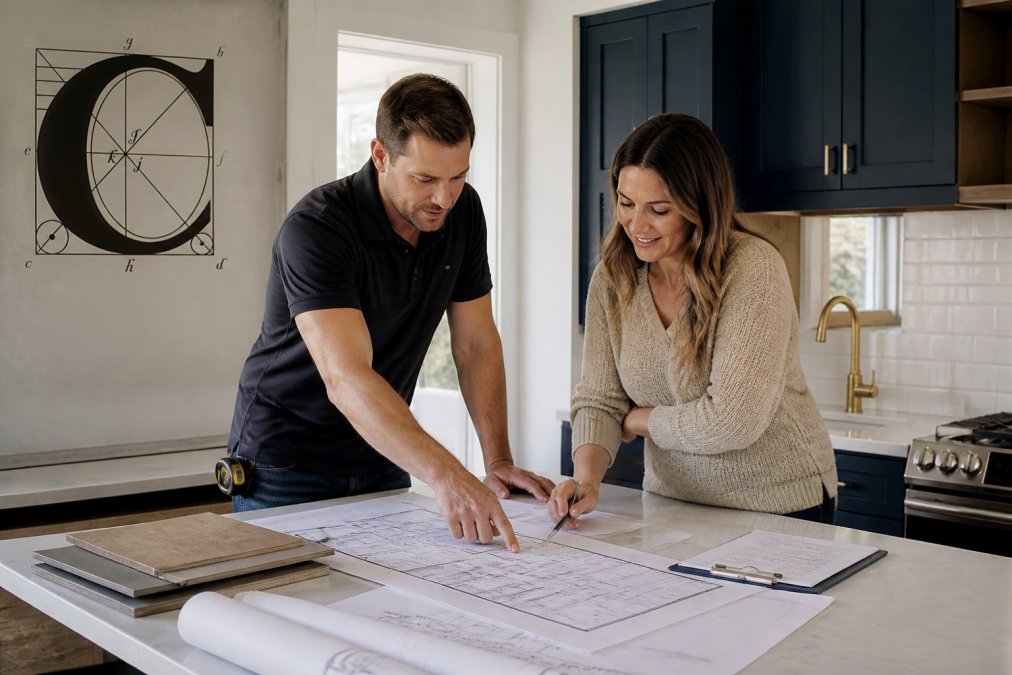
On scope and change management: Ask: “What’s your process for handling changes once we start?” A vague answer like “We’ll figure it out as we go” is a warning sign. A solid answer includes a written change-order process: the homeowner requests a change, the contractor provides a written estimate for the additional work and timeline impact, the homeowner approves in writing, and only then does the work begin. This matters because scope creep is how budgets explode by 20-40%. Ask also: “How do you handle discoveries, like finding rotted framing or outdated wiring behind walls?” A contractor who says “We’ll deal with it when we find it” hasn’t managed this before. A prepared contractor will explain that they pause work, document the issue with photos, provide a written estimate for the fix, and wait for your approval before proceeding. This protects both parties.
On daily presence and accountability: Ask: “Will you be on-site daily, or checking in weekly?” The answer matters enormously. A contractor who is on-site daily catches problems early and maintains quality control. A contractor who checks in weekly relies on subcontractors to self-manage, which often means quality suffers and communication breaks down.
On subcontractor vetting: Ask: “How do you select and manage your subs?” Listen for specifics. A strong answer includes: “I work with the same electrician, plumber, and tile installer on every project. I’ve known them for years, I trust their work, and I hold them accountable.” A weak answer is “I call around and get the best price.” Price-shopping for subs often means lower quality and less accountability. Ask also: “If a subcontractor does poor work, how do you handle it?” A contractor who says “I make them fix it” is taking responsibility. A contractor who says “That’s between you and them” is avoiding accountability.
On timeline and delays: Ask: “What’s your realistic timeline estimate, and what factors could delay it?” Honest contractors will mention permit delays (which can add 2-8 weeks depending on complexity), weather impacts (especially relevant for exterior work), and discovery of hidden issues. A contractor who gives a timeline without mentioning any of these hasn’t thought through the variables. Ask: “If the project gets delayed, how does that affect my costs?” A clear answer is: “Delays caused by me or my team don’t cost you extra. Delays caused by permit hold-ups or you requesting changes do, because my crew is tied up waiting.” This shows they’ve thought about fairness and accountability.
On references and past work: Ask: “Can you provide references from three projects similar to mine, completed in the last two years?” Then actually call those references. Ask them: “Did the project stay on budget, or did costs exceed the estimate? By how much?” “Did the contractor finish on the promised date?” “How did the contractor handle problems that came up?” “Would you hire them again?” Past clients are your most honest source of information, and their answers reveal patterns.
When a contractor answers a question, listen for specifics and accountability language. “We handle it professionally” is vague. “I document the issue, provide a written estimate, and wait for your approval” is specific and shows they’ve managed this before.
Essential Elements of a Construction Contract Checklist
Your contract is the document that protects you when disagreements arise. A solid construction contract includes specific details, not vague promises.
The contract should specify the scope of work in detail. Don’t accept “kitchen remodel.” Specify what’s included: new cabinets (brand and style), countertops (material and finish), flooring, appliances, electrical work, plumbing upgrades, paint, and anything else. The more specific, the better. Clear documentation prevents future disputes and serves as a vital foundation when you find reputable kitchen contractors to execute your vision.
Include a detailed timeline with start and end dates. Build in realistic buffers for permit delays and weather, but hold the contractor accountable for their work schedule. The contract should specify who pays for delays caused by the contractor versus delays caused by external factors.
The contract must state the total project cost and payment schedule. Common structures include 10% deposit, 40% at start, 40% at substantial completion, and 10% at final walk-through. Never pay the full amount upfront. Never hold final payment until you’re completely satisfied.
Include a clause about change orders. Any work outside the original scope must be documented in writing with a new price before the contractor starts. This prevents “that’ll be an extra $5,000” surprises.
The contract should specify who obtains permits and who pays for them. It should also clarify what happens if the project uncovers hidden issues, how they’re priced and who decides whether to fix them.
| Contract Element | What It Should Include |
|---|---|
| Scope of Work | Detailed description of all materials, finishes, and labor |
| Timeline | Start date, end date, and milestones |
| Payment Schedule | Total cost, deposit amount, and payment milestones |
| Change Orders | Process for documenting and pricing work changes |
| Permits & Inspections | Who obtains them and who pays |
| Warranty | Length of coverage for workmanship and materials |
| Insurance & Bonding | Contractor’s coverage details and limits |
Evaluate Bonding, Insurance, and Customer Reviews
A contractor’s bonding and insurance aren’t optional add-ons, they’re your protection.
Bonding protects you if the contractor fails to complete the work or doesn’t pay subcontractors and suppliers. If the contractor abandons the project, the bonding company steps in to finish it or reimburse you. Ask to see proof of bonding before you sign. A contractor who can’t show bonding documentation is a major red flag.
Insurance protects you if someone gets hurt on your property or if property damage occurs during the work. The contractor should carry general liability insurance and workers’ compensation insurance.
A contractor with active licensing, current bonding and insurance, and strong customer reviews has already proven they can be trusted. These three things are non-negotiable.
Avoid Common Contractor Red Flags
Certain behaviors are warnings that a contractor will cause you problems.
Conclusion
Hiring a general contractor peoria az requires diligence, but the effort pays off. Verify licensing, ask tough questions, review contracts carefully, check bonding and insurance, and trust customer reviews. These steps protect your investment and your sanity.
Frequently Asked Questions
How do I verify a general contractor’s license with the Arizona Registrar of Contractors?
Visit the Arizona Registrar of Contractors (ROC) website and use their license lookup tool. Enter the contractor’s name or license number to confirm their status, license type (residential, commercial, or both), and whether any complaints or disciplinary actions are on file. A legitimate general contractor will have an active license and clear standing. Always verify before signing any contract.
What questions should I ask a general contractor before hiring them?
Ask about their experience with projects similar to yours, how they handle unexpected issues and change orders, their timeline and payment schedule, whether they’ll be on-site daily or checking in periodically, and how they manage communication. Request references from past clients and ask how they stay within budget. Understanding their process upfront prevents surprises later.
What should a construction contract include to protect me?
Your contract should specify the project scope, timeline, total cost with payment schedule, warranty terms, how change orders are handled, insurance and bonding details, and dispute resolution process. It should also address what happens if structural or code issues arise during construction. A clear, detailed contract protects both you and the contractor.
How do I know if a general contractor is reputable?
Check their ROC license status, read customer reviews on independent sites, verify they carry bonding and insurance, and ask for references you can actually contact. A reputable contractor will have multiple positive reviews, transparent communication, and won’t pressure you into quick decisions. Trust your instinct, if something feels off, keep looking.